
Creating a Quiet and Peaceful Foundation for Your Home
With busy schedules, shared living spaces, and homes that do more than one job at once, noise has a way of creeping into daily life.
Footsteps echoing across hard floors, sound traveling between levels, or conversations carrying farther than you expect can all make a home feel less restful than you want it to be.
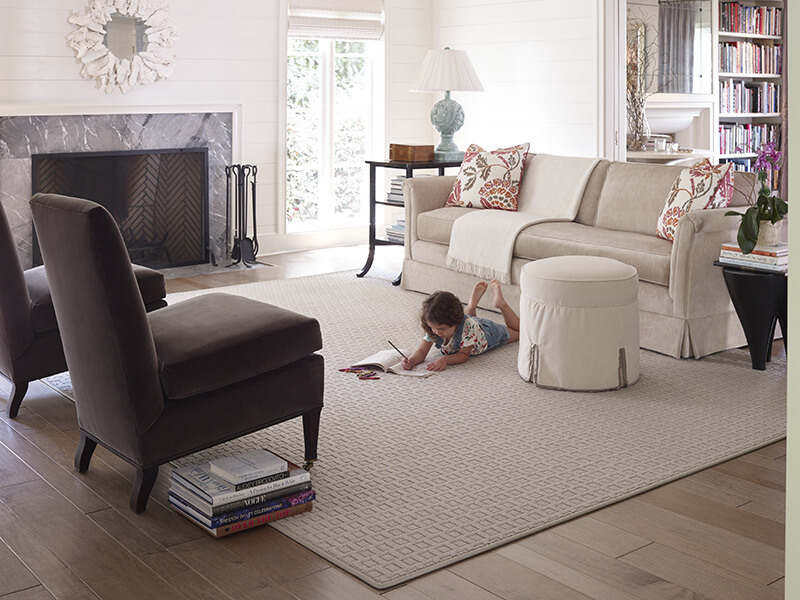
Modern layouts often add to the challenge. Open floor plans and multi-story homes create beautiful, connected spaces, but they also allow sound to move freely from room to room. Without the right materials in place, even normal activity can feel louder and more disruptive than it should.
But it is possible to create a calming, comfortable home.
Flooring plays a role in how your home sounds and feels.
Because it covers so much surface area, the right floor can help soften noise, reduce echo, and create a sense of comfort that you notice every day. From the way footsteps land to how sound carries through shared spaces, flooring choices influence how peaceful your home feels from the ground up.
With the right foundation, it’s possible to create a home that feels calmer, more comfortable, and better suited to everyday living.
How Flooring Influences Noise and Comfort
The sounds you hear in your home often start with the floor.
Everyday movement like walking, kids playing, or pets moving creates impact noise that travels from room to room. In homes with hard flooring or multiple levels, that noise can carry farther than expected, especially when there’s little to absorb the vibration.
Echo plays a role as well. Hard surfaces can cause voices, music, and TV sound to bounce around a room rather than settle. This is why large or open spaces sometimes feel louder, even during normal conversation.
The combination of impact noise and echo can make a home feel busy or unsettled, even when life inside it is fairly calm.
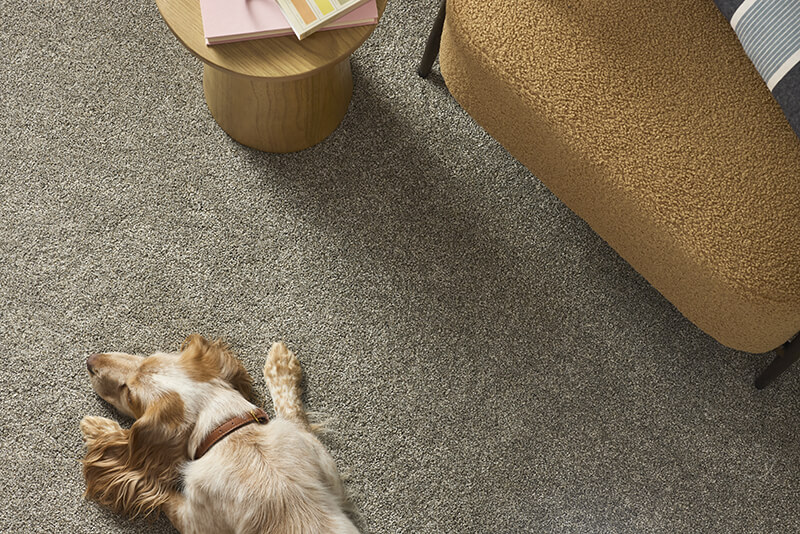
Choosing Flooring Designed to Reduce Noise
Flooring helps manage all noise in your home.
Materials with built-in softness, added padding, or sound-dampening layers reduce vibration at the source and limit how sound travels through the home. When noise is absorbed instead of reflected, rooms feel quieter, more comfortable, and easier to relax in throughout the day.
Carpet for Maximum Sound Absorption
Carpet is one of the most effective flooring choices for reducing noise. Its soft surface naturally cushions footsteps and helps prevent sound from traveling between rooms or levels. This makes it especially well-suited for bedrooms, living areas, and upper floors where noise can easily carry.
Pile and padding work together to improve both comfort and quiet. The carpet fibers absorb sound at the surface, while the cushion underneath helps reduce vibration before it reaches the subfloor.
When choosing carpet for sound control, consider these factors:
- Pile height: Medium to higher piles tend to absorb more sound, creating a softer, quieter feel underfoot.
- Carpet density: Denser construction helps prevent sound from passing through the floor, even in high-traffic areas.
- Quality padding: A thicker, well-made cushion adds an extra layer of noise reduction and improves overall comfort.
Luxury Vinyl Flooring with Built-In Sound Control
Luxury vinyl flooring offers a quieter hard surface option thanks to advances in construction. Many styles now include attached acoustic backing or dense cores designed to reduce the sound of footsteps and everyday activity.
This combination makes luxury vinyl a strong choice for busy households that want durability without sacrificing comfort. It performs well in shared spaces where noise is common, but carpet may not be practical.
Helpful features to look for include:
- Attached underlayment: Built-in backing helps soften sound and reduce vibration with every step.
- Dense core construction: Heavier cores create a sturdier feel and limit the hollow sound often associated with hard floors.
- Continuous installation: Using the same flooring across connected rooms helps maintain consistent sound control throughout the space.
Laminate Flooring with Noise-Reducing Construction
Laminate flooring has come a long way from earlier versions that often sounded hollow or loud. Today’s laminate uses layered construction that improves stability and reduces noise when paired with the right underlayment.
While laminate remains a hard surface, its improved design makes it a quieter option for active areas when sound control is part of the plan.
Key considerations for a quieter laminate floor include:
- High-quality core layers: Thicker, more stable boards help reduce vibration and footstep noise.
- Specialized underlayment: A sound-rated pad is essential for absorbing impact noise and preventing echo.
- Proper installation: Careful preparation of the subfloor ensures the flooring performs as quietly as intended over time.
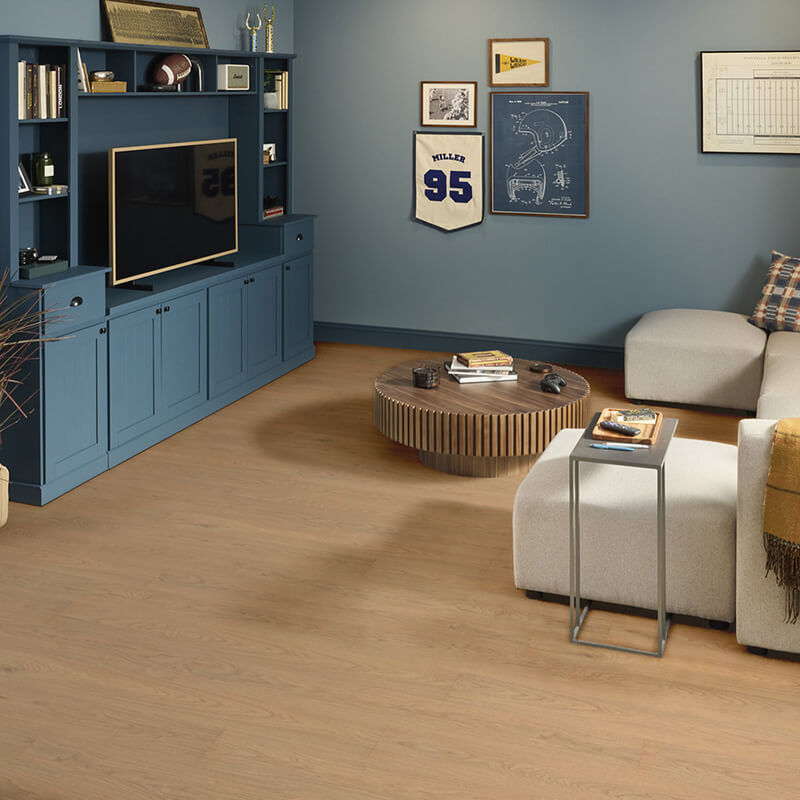
The Role of Underlayment and Subfloor Preparation
What sits beneath your flooring is just as important as the surface you see.
Underlayment and proper subfloor preparation work together to reduce noise, improve comfort, and help your flooring perform the way it should over time. Without the right support underneath, even a high-quality floor can feel louder or less stable than expected.
Underlayment acts as a buffer between the flooring and the subfloor, helping absorb impact noise and soften footsteps. Subfloor preparation ensures the surface is level and secure, which prevents movement that can cause squeaks or hollow sounds. When both are done correctly, the result is a quieter, more comfortable foundation throughout the home.
Key considerations that make a noticeable difference include:
- Sound-rated underlayment: Look for pads designed to reduce impact noise, especially in multi-level homes or shared living spaces.
- Thickness and density: A denser underlayment provides better noise control and a more solid feel underfoot than thin, basic pads.
- Material compatibility: Different flooring types require specific underlayments to perform properly, so matching the pad to the floor matters.
- Level subfloor: An even, well-prepared subfloor helps flooring sit flat, reducing movement that leads to noise over time.
- Secure installation: Proper fastening and preparation prevent squeaks and shifting, helping your floors stay quiet and comfortable for years to come.
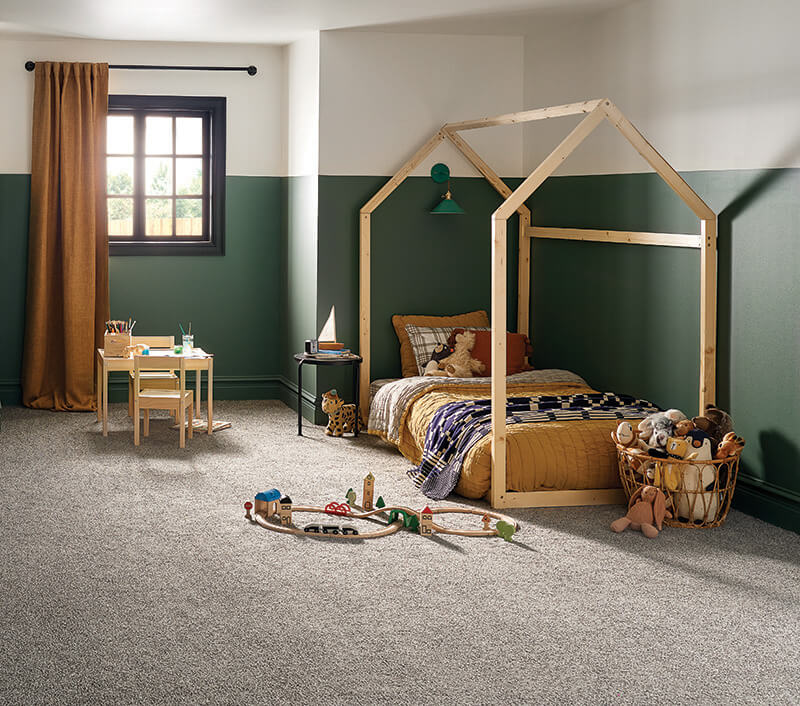
Simple Ways to Reduce Noise Throughout Your Home
Flooring creates the foundation for a quieter home, but everyday design choices help reinforce that sense of calm. When sound is softened at multiple points throughout a room, spaces feel more comfortable and less echo-prone. These simple adjustments work alongside your flooring to reduce noise in areas where life naturally happens.
Practical ways to support a more peaceful space include:
- Area rugs with quality pads: Placing rugs in walkways, seating areas, and upper-level rooms helps absorb impact noise before it travels through the floor. A thick pad underneath makes a noticeable difference.
- Thoughtful furniture placement: Sofas, bookcases, and upholstered chairs help interrupt sound paths, especially in open layouts where noise can move freely from one area to another.
- Soft textiles and finishes: Curtains, throw pillows, and fabric-covered furniture balance hard surfaces and reduce echo, helping rooms feel quieter and more comfortable without changing the flooring itself.
Building a Quieter, More Comfortable Home from the Ground Up
A peaceful home doesn’t happen by accident. It comes from thoughtful choices that work together, starting with your floors and extending through the materials and design elements that support them. When flooring, underlayment, and soft furnishings are chosen with sound in mind, everyday noise becomes less intrusive, and your space feels easier to live in.
Whether you’re managing footsteps between floors, reducing echo in open rooms, or simply creating a calmer place to unwind, the right foundation makes a lasting difference. With a balanced approach, your home can feel quieter, more comfortable, and better suited to the rhythm of daily life.
At Great Floors, we’ll help you explore flooring options that support a quieter, more comfortable home in the Northwest.